Postpartum Acne: Why You're Getting Hormonal Acne After Having a Baby (And What Can Help)
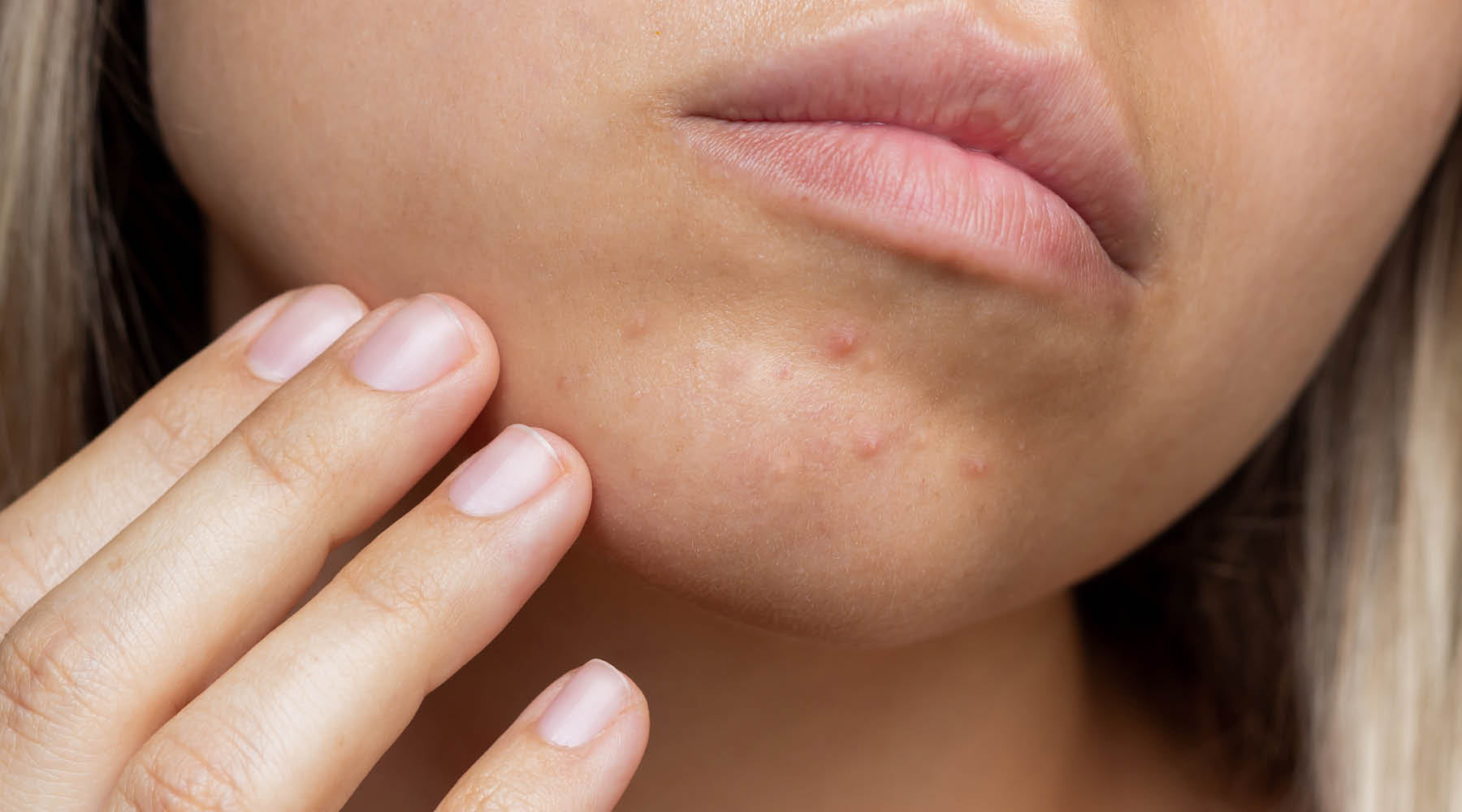
If you've suddenly developed postpartum acne after having a baby, you're not alone.
Many women experience hormonal acne after pregnancy, even if they've never had acne before. One day your skin is clear, and the next you're dealing with painful pimples, oily skin and congestion that doesn't seem to respond to your usual skincare.
The good news is that postpartum acne is common, and understanding why it's happening is the first step towards treating it.
What is postpartum acne?
Postpartum acne refers to acne that develops after giving birth. It can appear within a few weeks of delivery or several months later and is often linked to the dramatic hormonal changes that occur after pregnancy.
Unlike teenage acne, postpartum hormonal acne is usually driven by a combination of hormonal fluctuations, inflammation, increased oil production and changes to the skin barrier.
Many women experience breakouts despite having completely clear skin before pregnancy.
Why am I getting hormonal acne after pregnancy?
During pregnancy, your body produces high levels of oestrogen and progesterone. These hormones help keep inflammation under control and often leave skin looking brighter, smoother and healthier.
After giving birth, those hormone levels rapidly decline.
This hormonal shift can lead to:
- Increased sebum (oil) production
- Higher levels of inflammation
- Changes to your skin microbiome
- A weakened skin barrier
- Slower skin cell turnover
Together, these changes create the ideal environment for postpartum hormonal acne to develop.
If you're breastfeeding, these hormonal fluctuations can continue for several months, meaning breakouts may take longer to settle.
I never had acne before. Why do I have postpartum acne now?
One of the biggest misconceptions about acne is that it only affects teenagers or people who've always had acne-prone skin.
The truth is that many women experience acne after pregnancy for the very first time.
Your hormones have changed dramatically, your immune system is adapting after childbirth, your skin barrier may be weaker and inflammation throughout your body is elevated as part of the healing process.
These changes alone can be enough to trigger hormonal acne, even if you've enjoyed clear skin your entire life.
How Having a Baby Boy May Influence Postpartum Acne
One fascinating area of research involves something called fetal microchimerism.
During pregnancy, a small number of your baby's cells cross the placenta and remain in your body. These cells can persist for years and sometimes even decades after childbirth.
If you've had a boy, those cells contain male DNA.
Emerging research suggests these fetal cells may influence the mother's immune system by increasing activity of interleukin-17 (IL-17) in some women.
IL-17 is an inflammatory signalling molecule that plays an important role in acne. Elevated IL-17 levels can increase inflammation around the hair follicle, making acne more likely to develop.
This doesn't mean every woman who has a son will develop postpartum acne, and it certainly isn't the only cause. However, it may help explain why some women experience hormonal acne after pregnancy despite never having struggled with acne before.
Research into fetal microchimerism is still ongoing, but it's an exciting area that's changing our understanding of postpartum health.
Why harsh acne products can make postpartum acne worse
When hormonal acne appears, many women reach for strong exfoliants, benzoyl peroxide or drying spot treatments.
Unfortunately, postpartum skin is often already experiencing barrier impairment due to hormonal changes.
Over-treating the skin can:
- Increase inflammation
- Damage the skin barrier
- Trigger more oil production
- Slow healing
- Lead to persistent breakouts
Instead of stripping the skin, it's often more effective to calm inflammation while supporting the skin's natural barrier.
The best skincare approach for postpartum hormonal acne
When treating postpartum hormonal acne, it's important to address the hormonal and inflammatory pathways driving the breakouts, rather than simply drying out the skin.
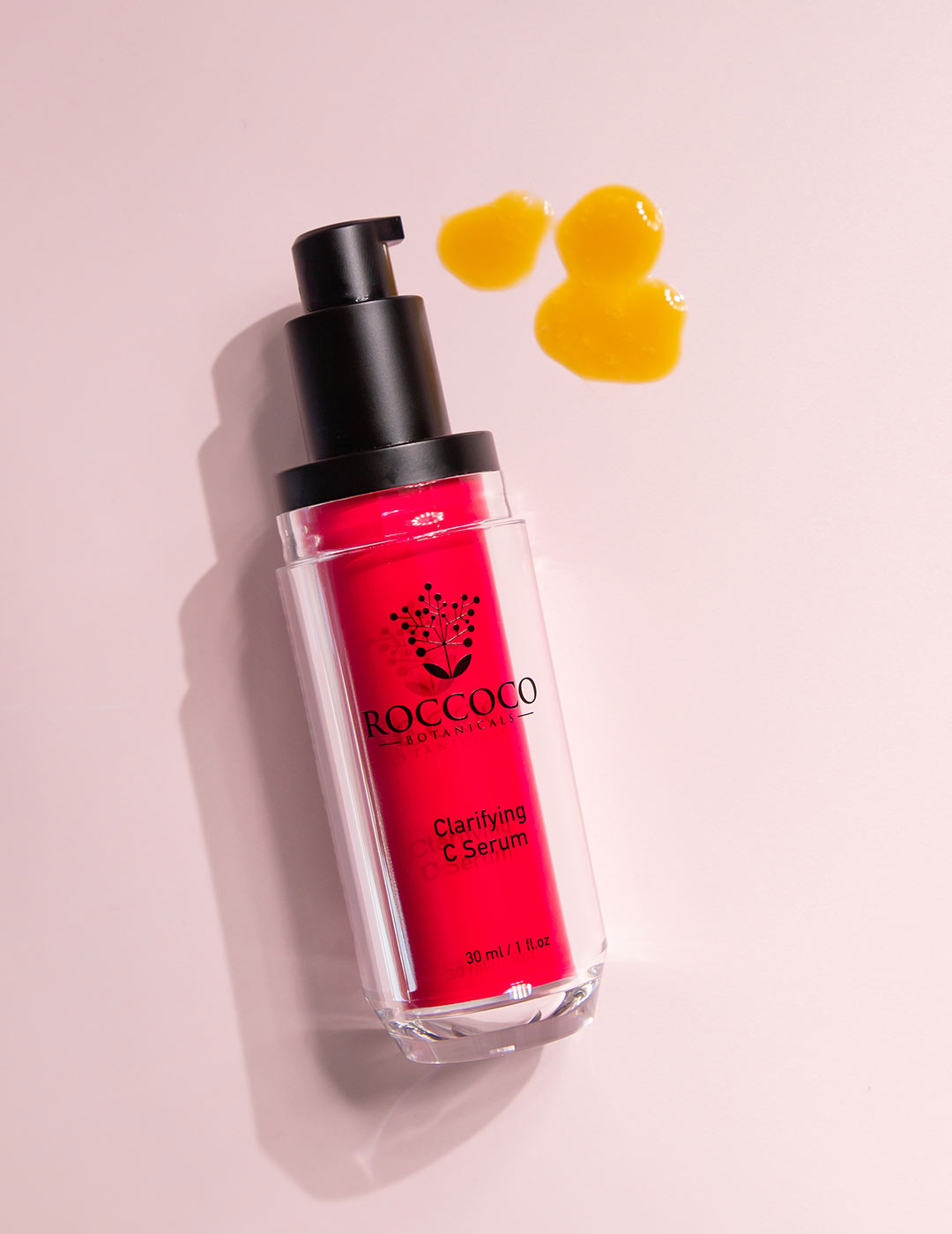
One product specifically formulated for hormonal acne is Plant Harmonising Serum.
Its unique botanical blend helps:
- Regulate excess sebum production
- Control oil flow throughout the day
- Block inflammatory pathways involved in acne
- Help reduce the risk of hypertrophic (raised) acne scars
- Provide antioxidant and antibacterial support
One of its key mechanisms is helping to modulate 5α-reductase, the enzyme responsible for converting testosterone into dihydrotestosterone (DHT).
DHT is one of the hormones responsible for stimulating the sebaceous glands to produce excess oil, making it a major contributor to hormonal acne. By helping regulate this pathway, Plant Harmonising Serum supports healthier oil production without stripping or irritating the skin.
Unlike many acne treatments that leave skin dry, red or sensitive, Plant Harmonising Serum is designed to calm the skin while helping reduce inflammation, making it particularly suitable for women experiencing postpartum hormonal acne.
How long does postpartum acne last?
Every woman's experience is different.
For some, postpartum acne settles within a few months as hormone levels stabilise. For others, particularly those who are breastfeeding, hormonal fluctuations may continue for longer.
Supporting your skin with gentle, targeted ingredients can help reduce inflammation, minimise breakouts and lower the risk of acne scarring while your hormones gradually rebalance.
Final thoughts on postpartum acne
If you've suddenly developed postpartum acne after having your baby, know that you're not alone.
Hormonal changes, increased inflammation, skin barrier disruption and even fascinating processes like fetal microchimerism may all contribute to why you're experiencing hormonal acne after pregnancy.
Rather than reaching for harsh treatments, focus on calming inflammation, regulating oil production and supporting your skin barrier. With the right skincare approach, postpartum acne can often be managed effectively while your body adjusts after pregnancy.